Dental fillings are a single or combination of materials, whether composed of metals, plastics, glass, or other substances to restore and repair teeth. A common purpose of these fillings is to replace the portion of a tooth that has been removed by a dentist due to decay "cavity."
Silver amalgam (includes a blend of mercury, silver, tin, zinc, and copper)
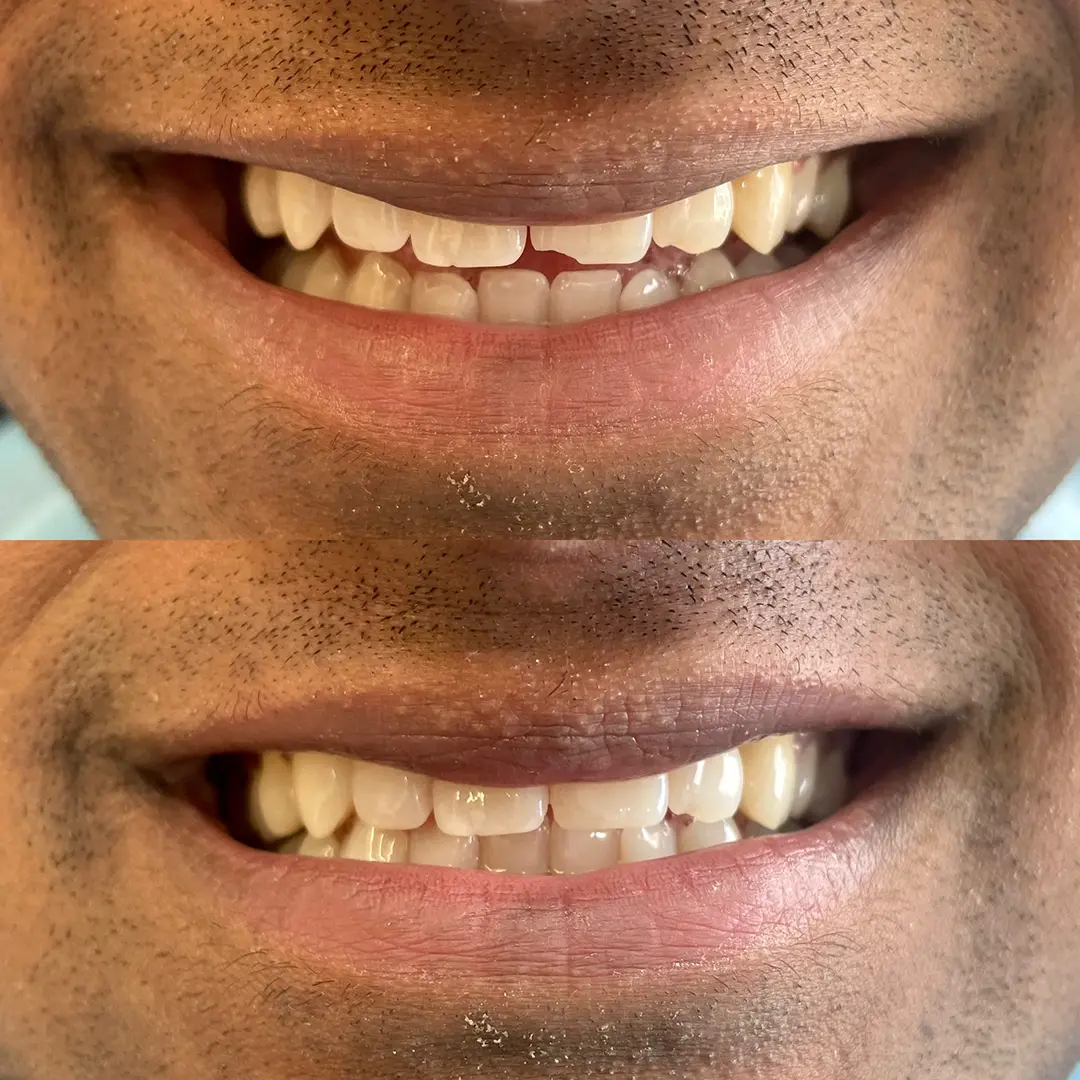
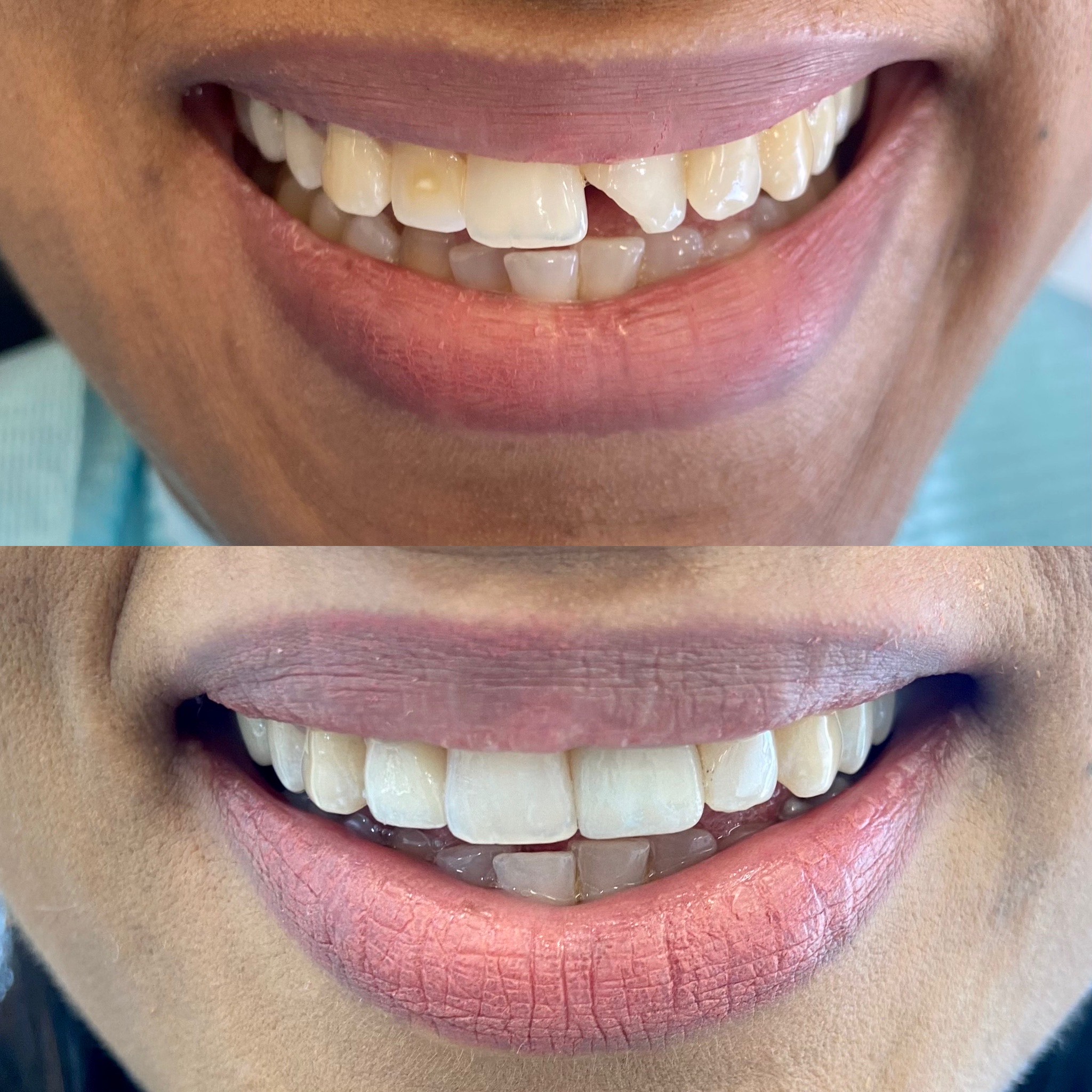
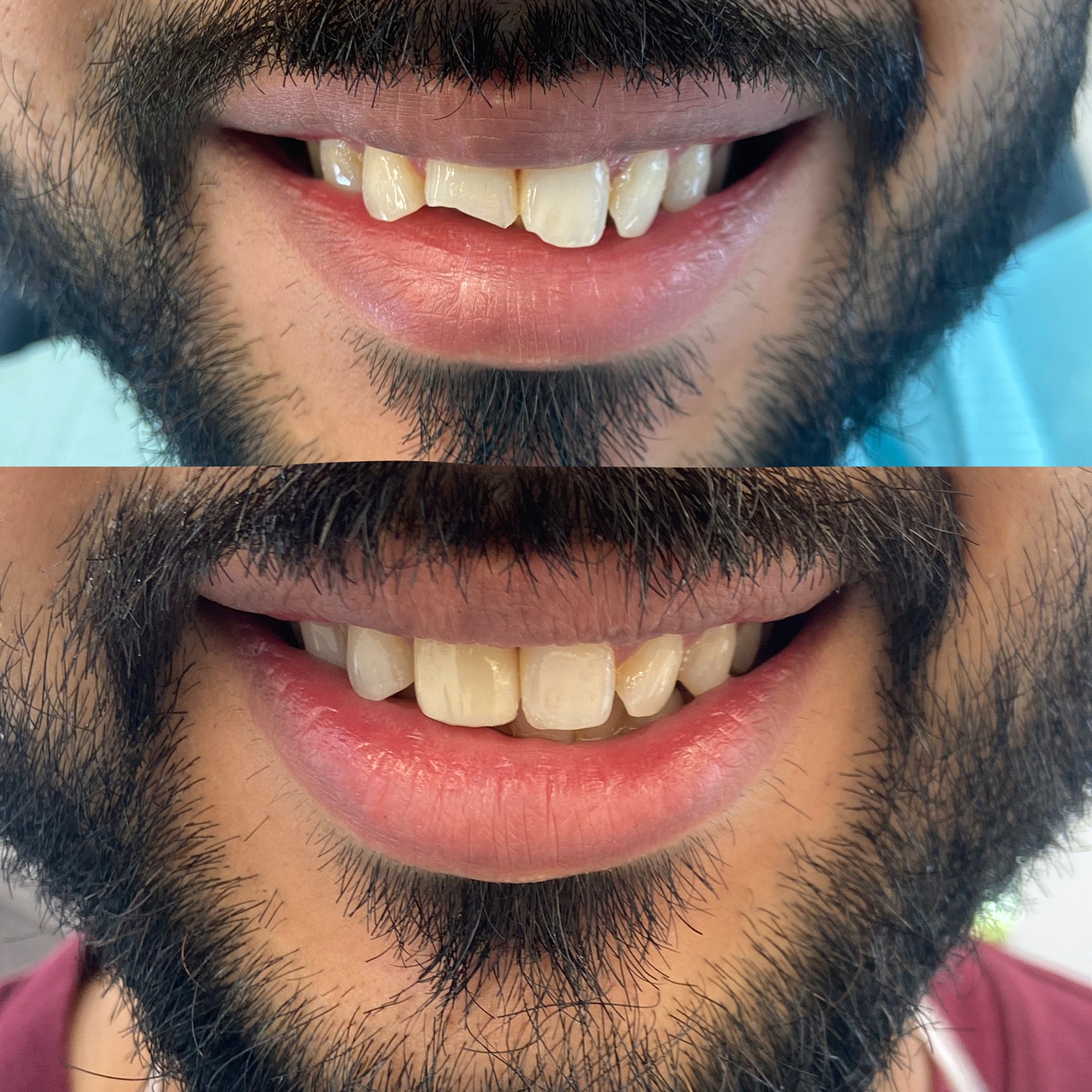
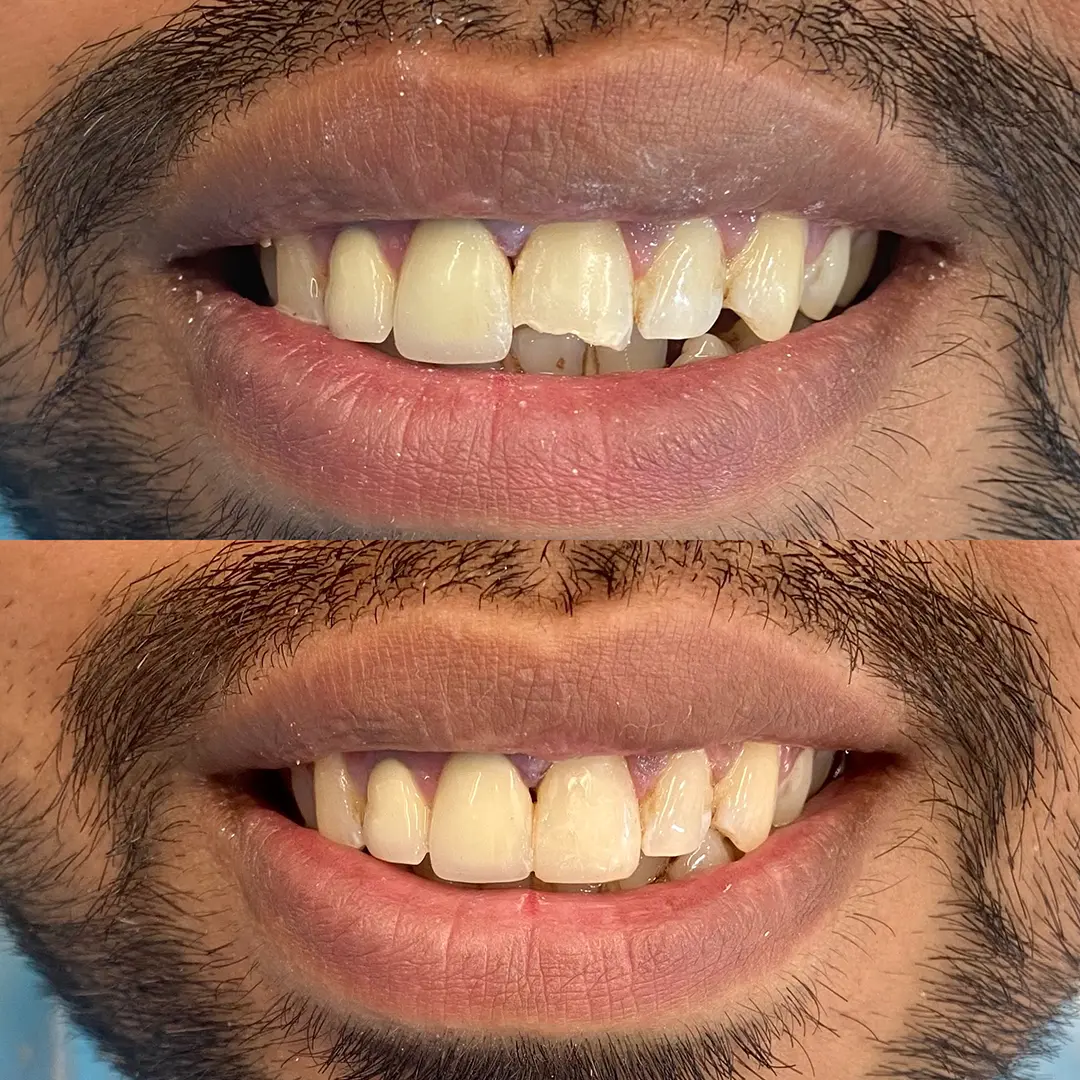
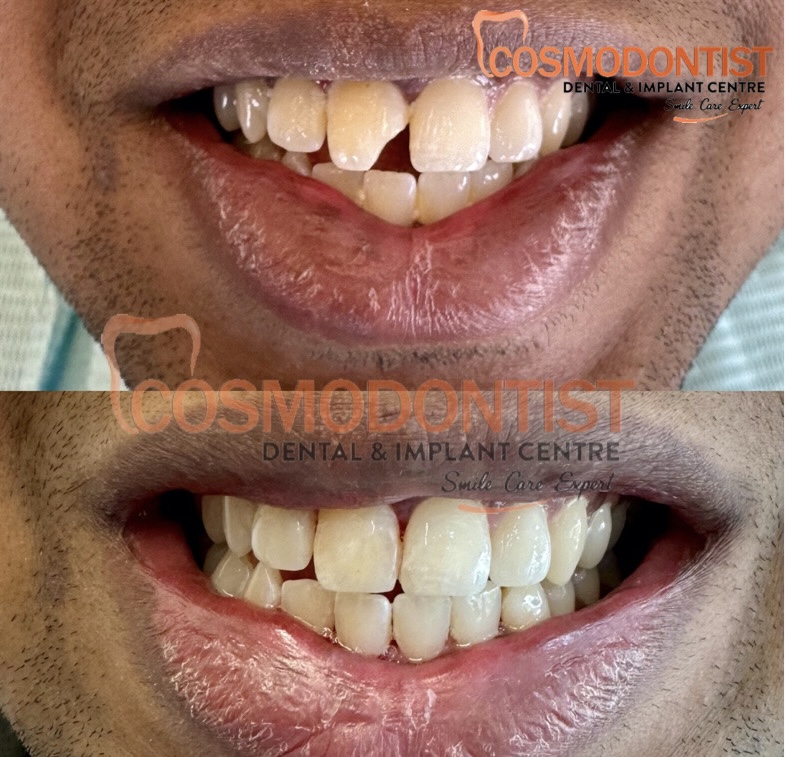
Tooth-coloured composite resin fillings made from plastic and glass materials
Real Time Results
Key features of tooth-coloured fillings
Chemically bond to the tooth structure, eliminating the need for mechanical retention through slots, grooves, or pins.
Bonding the white fillings to the tooth restores 85% to 95% of the original tooth strength.
Fully harden within seconds, unlike other materials that require days to harden.
Tooth sensitivity, if any, caused by composite resin use is minimal and short-lived.
What is indirect filling?
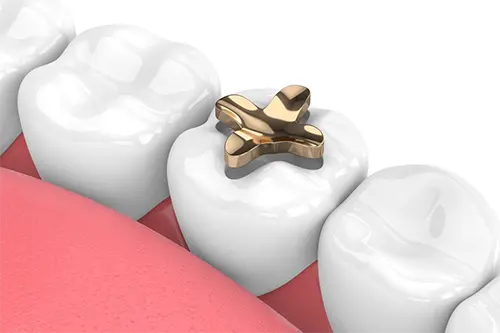
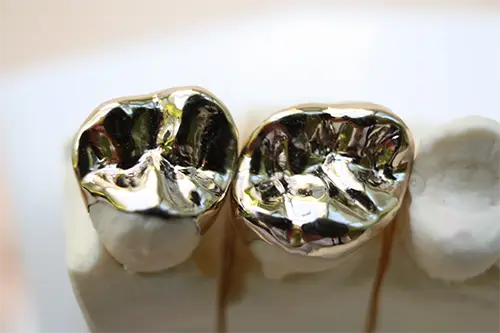
Indirect fillings, resembling tooth-colored filling procedures like composite fillings, involve the production of fillings at a dental laboratory. This process requires at least two sessions for permanent placement. During the initial visit, the dentist takes an impression and forwards it to a dental lab to make indirect filling. A temporary restoration is applied temporarily. In the second visit, the temporary restoration is removed, and the indirect filling is affixed using cement.
Two types of indirect fillings:
Inlay
Onlay
Dental Fillings post-procedure care
Avoid food and beverages for a minimum of 2-3 hours following the treatment.
Follow all the guidance given by your dentist.
Maintain excellent oral hygiene consistently.
If you feel any discomfort, consult your dentist. In certain cases, it may take a few days for the filling to fully adjust.
Dental Composite Fillings
Some FAQ Questions
The lifespan of dental composite fillings can vary depending on factors such as the size and location of the filling, your oral hygiene habits, and the biting forces applied to the tooth. On average, composite fillings can last 5 to 10 years with proper care and regular dental check-ups.
Yes, dental composite fillings are considered safe. They have been used in dentistry for several decades and have undergone extensive research and development. Composite fillings are free from mercury, a concern associated with amalgam fillings. They are biocompatible and provide a strong and durable restoration for your teeth.
The placement of dental composite fillings involves several steps:
The dentist will numb the area using a local anaesthetic.
The decayed or damaged portion of the tooth is removed, and the tooth is cleaned and prepared.
The composite material is applied in layers and shaped to restore the tooth’s natural contours.
A special light hardens the composite, and the filling is polished for a smooth finish.
No, dental composite fillings are designed to match the shade & appearance of your natural teeth, making them virtually indistinguishable. The dentist carefully selects the shade of the composite material to blend seamlessly with your tooth, ensuring a natural-looking restoration.
Yes, dental composite fillings can be replaced if necessary. Over time, composite fillings may wear down, chip, or become discoloured. If your filling shows signs of deterioration or if you experience any discomfort, it is recommended to visit your dentist for an evaluation. They can determine if replacement is needed and provide you with a new composite filling to restore the tooth’s function and aesthetics.