Cavities don’t show up overnight. They build slowly when plaque sits on your teeth and starts breaking down the enamel. Most people think it’s just about eating sweets, but the real issue is how often your teeth stay exposed to bacteria and acids.
The good part? You don’t need complicated routines or expensive treatments to prevent cavities. A few consistent habits can make a huge difference.
What Actually Causes Cavities
Your mouth naturally has bacteria. When you eat foods—especially sugar or starch—those bacteria feed on it and produce acid. That acid attacks your tooth enamel.
If this keeps happening, the enamel weakens and eventually forms a cavity.
So the goal is simple: keep your mouth clean, limit how long food stays on your teeth, and support your enamel so it stays strong.
Natural Ways to Prevent Cavities

Brush properly, not just regularly
Most people brush, but not effectively.
- Brush twice a day
- Spend at least 2 minutes
- Clean all surfaces, especially near the gums
Don’t rush through it. A slow, proper brush removes far more plaque than a quick one.
Floss every day
This is where many people fall short.
Food and plaque get stuck between teeth where your brush can’t reach. If you leave it there, it turns into the perfect spot for cavities.
- Floss once daily
- Take your time with each tooth
It may feel like a small step, but it prevents a lot of hidden damage.
Rinse your mouth after meals

You don’t always need mouthwash. Plain water works well.
- Rinse after eating
- Especially important after sugary or sticky foods
This helps clear out leftover food and reduces acid buildup quickly.
Cut down on frequent snacking
It’s not just what you eat—it’s how often.
- Frequent snacking keeps feeding bacteria
- Sugary drinks and candies are the biggest culprits
If you’re having something sweet, have it with meals instead of throughout the day.
Stay hydrated

Water does more than just quench thirst.
- It helps wash away food particles
- It supports saliva production
Saliva is your body’s natural defense. It neutralizes acids and protects enamel. When your mouth is dry, cavities become more likely.
Eat foods that support your teeth
Your diet can either protect your teeth or damage them.
Good options include:
- Crunchy fruits and vegetables like apples and carrots
- Dairy products for calcium
- Nuts and seeds
These help strengthen enamel and naturally clean your teeth while you chew.
Use fluoride toothpaste
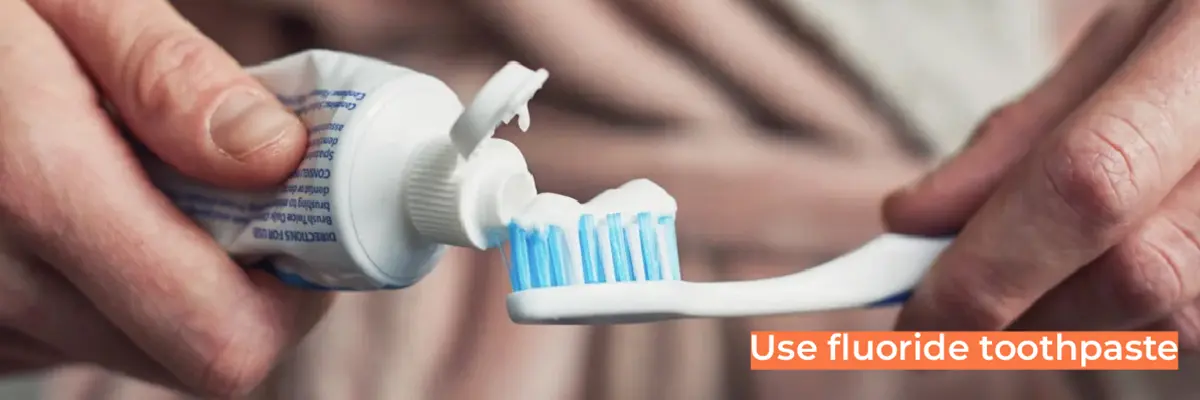
Even if you prefer a natural routine, fluoride is worth including.
- It strengthens enamel
- It makes teeth more resistant to decay
Use a small amount and don’t rinse your mouth immediately after brushing. Let it sit for better protection.
Try simple natural practices
Some people include additional habits to support oral health.
- Oil pulling with coconut oil may help reduce bacteria
- Herbal rinses can help keep your mouth fresh
These can be useful, but they should support your routine—not replace brushing and flossing.
Watch for early warning signs
Cavities don’t always hurt in the beginning.
Look out for:
- Sensitivity to hot or cold
- White or dull spots on teeth
- Slight discomfort while eating
Catching these early can help you avoid bigger treatments later.
Why consistency matters more than anything
Here’s the truth—doing all of this once in a while won’t help much.
What really works is consistency.
- Brushing daily
- Flossing regularly
- Being mindful of your eating habits
You don’t need perfection. You just need to stick to the basics without skipping them.
Do you still need dental checkups?

Yes, absolutely.
Even if you take good care of your teeth, professional checkups are important. A dentist can:
- Spot early cavities you might not notice
- Remove hardened plaque that brushing can’t fix
- Guide you based on your specific needs
Think of it as regular maintenance rather than something you only do when there’s a problem.
FAQs
Can cavities heal naturally?
In the early stage, damage to enamel can sometimes improve with good care and fluoride. But once a cavity forms, it won’t fully heal on its own.
Is brushing once a day enough?
No. Brushing twice a day is the basic requirement to keep plaque under control.
Which foods cause the most cavities?
Sticky sweets, sugary drinks, and frequent snacking increase the risk the most.
Can I prevent cavities without using fluoride?
Good habits help a lot, but fluoride adds an extra layer of protection that’s hard to replace.
Does oil pulling really prevent cavities?
It may reduce some bacteria, but it’s not enough on its own. You still need brushing and flossing.