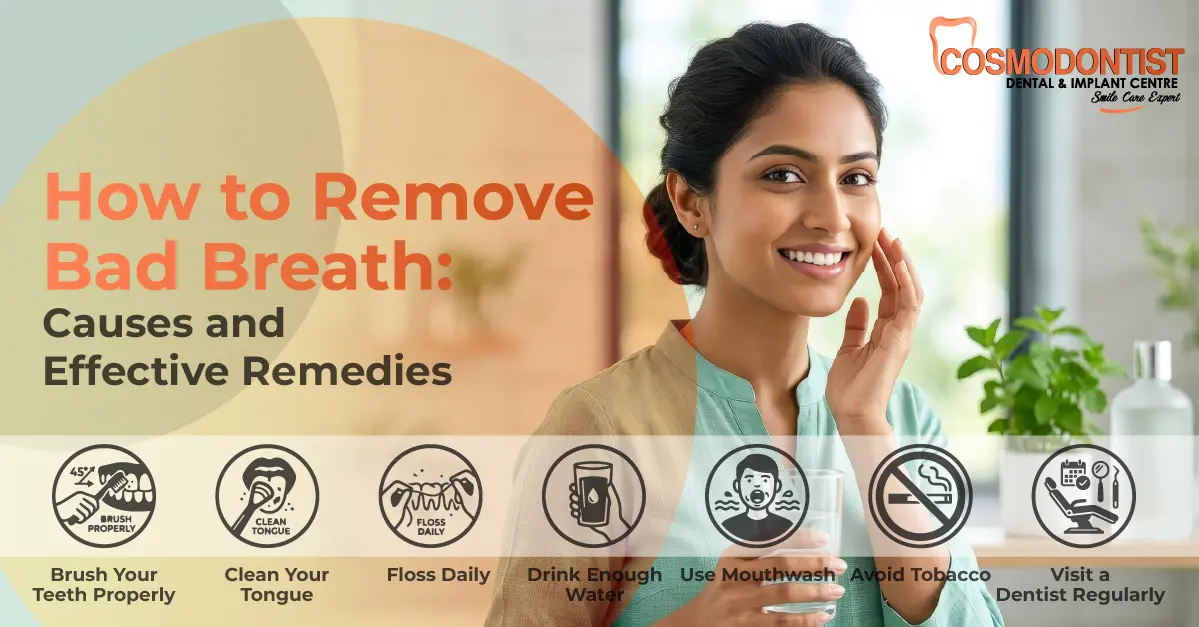
Bad breath can be uncomfortable and embarrassing. Many people notice it during conversations when others step back or react to the odor. Even after brushing, chewing gum, or using mouthwash, the smell may return after a short time.
In most cases, bad breath - also known as halitosis - starts in the mouth. Bacteria feed on tiny food particles left between teeth, along the gums, and on the tongue. As these bacteria break down food debris, they release unpleasant odors.
The good news is that bad breath can usually be controlled with proper oral hygiene and healthy daily habits.
Let’s look at the common causes of bad breath and simple ways to remove it.
Common Causes of Bad Breath
Food Particles Left in the Mouth
After meals, small food particles often remain trapped between teeth. If they are not removed properly, bacteria begin breaking them down.
This process produces unpleasant odors and leads to bad breath. Poor brushing and skipping flossing can make the problem worse.
Gum Problems
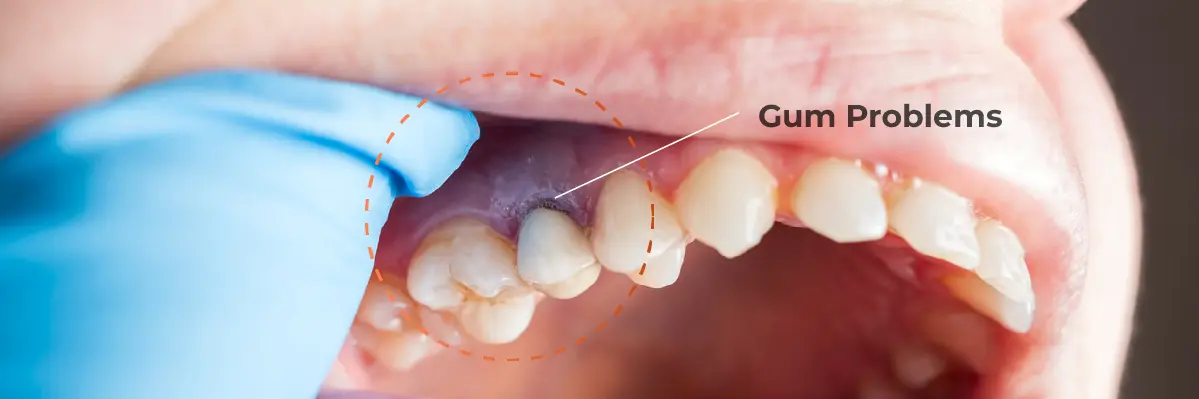
Healthy gums are essential for maintaining fresh breath. When plaque builds up along the gum line, bacteria irritate the gums and cause inflammation.
People with gum problems may experience:
- Bleeding while brushing
- Swollen or tender gums
- Persistent bad breath
Inflamed gums may also create pockets around the teeth where bacteria can grow easily, leading to stronger odor.
Strong-Smelling Foods
Certain foods naturally cause temporary bad breath. Foods such as garlic, onions, and spicy dishes contain strong compounds that remain in the body even after brushing.
After digestion, these compounds enter the bloodstream and travel to the lungs. When you breathe out, the odor is released.
Dry Mouth
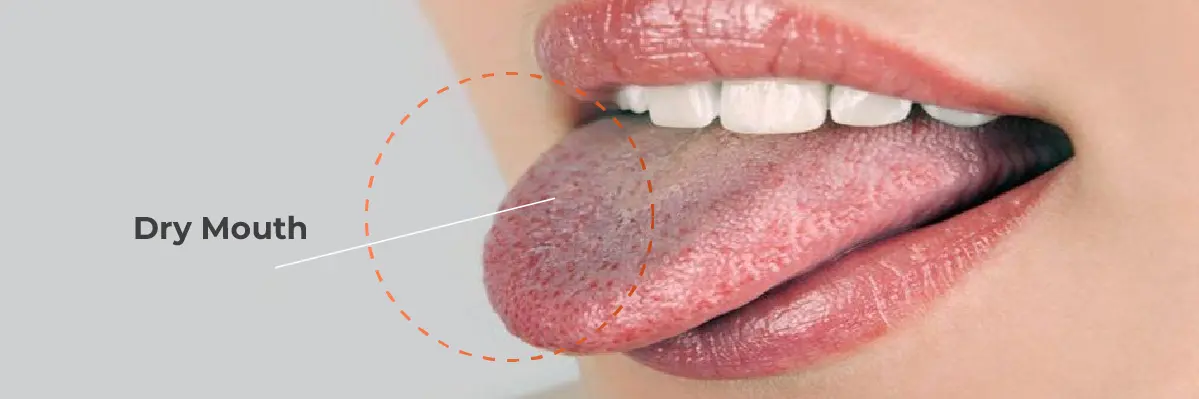
Saliva plays an important role in cleaning the mouth. It helps wash away bacteria and food particles.
When the mouth becomes dry, bacteria multiply faster and cause unpleasant smells.
Dry mouth can occur due to:
- Dehydration
- Smoking
- Certain medications
- Sleeping with the mouth open
Drinking enough water helps maintain saliva production and keeps the mouth clean.
Dental Problems
Dental issues such as Cavities, infections, or trapped food between teeth can also lead to bad breath.
Bacteria grow in these areas and produce odor over time. Regular dental checkups help detect these problems early before they worsen.
Easy Ways to Get Rid of Bad Breath
Brush Your Teeth Properly
Brush your teeth at least twice a day using fluoride toothpaste. Proper brushing removes plaque, food particles, and bacteria that cause bad breath.
Pay special attention to the gum line and back teeth where bacteria often accumulate.
Clean Your Tongue
The tongue can hold large amounts of odor-causing bacteria. Many people forget to clean it while brushing.
Use a tongue scraper or gently brush your tongue every day to remove bacteria and improve breath freshness.
Floss Daily
A toothbrush cannot reach all the spaces between teeth. Food particles often remain trapped in these areas.
Daily flossing removes debris and prevents bacteria from building up.
Drink Enough Water
Water helps rinse the mouth and keeps it moist. A hydrated mouth produces more saliva, which naturally controls bacteria.
People who drink enough water during the day usually experience fresher breath.
Use Mouthwash
An antibacterial mouthwash helps reduce bacteria that cause odor. Rinsing after brushing can reach areas that brushing alone may miss.
Choose a mouthwash designed to control bacteria rather than simply masking the smell.
Avoid Tobacco
Smoking or chewing tobacco often causes long-lasting bad breath. Tobacco also increases the risk of gum disease and dry mouth.
Avoiding tobacco products can significantly improve oral health and breath quality.
Visit a Dentist Regularly

Sometimes bad breath is a sign of deeper dental problems such as gum disease, cavities, or infection. A dentist can identify the underlying cause and recommend the right treatment.
At Cosmodontist Dental Clinic, the dental team carefully examines the cause of bad breath and provides appropriate treatment to restore oral health and fresh breath.
FAQs
How do I stop my breath from smelling bad?
You can reduce bad breath by brushing your teeth twice daily, cleaning your tongue, flossing regularly, and drinking enough water. These habits help remove bacteria and food particles that cause odor.
What causes bad breath?
Bad breath usually develops because of bacteria in the mouth. Poor oral hygiene, gum disease, trapped food particles, dry mouth, and certain foods can all contribute to unpleasant breath.
What removes bad breath quickly?
Brushing your teeth, cleaning your tongue, and using antibacterial mouthwash can quickly reduce bad breath. Drinking water can also help wash away odor-causing bacteria.
What drink helps reduce bad breath?
Water is the most effective drink for controlling bad breath because it rinses away bacteria and food particles. Green tea and some herbal teas may also help reduce odor in the mouth.