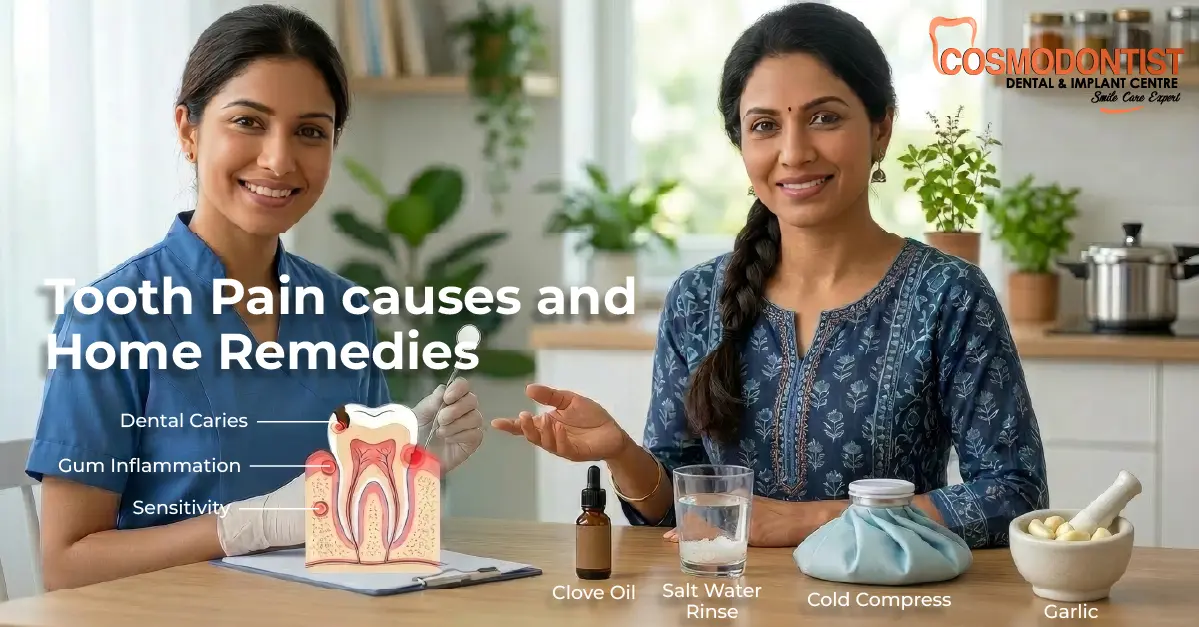
Tooth pain can start suddenly. One moment everything feels normal, and the next moment you feel a sharp discomfort while chewing, drinking something cold, or even breathing through your mouth. Many people initially try to ignore the pain, hoping it will disappear on its own. In most cases, it does not.
A tooth usually hurts because something is wrong with the tooth, gums, or surrounding tissue. Sometimes the cause is minor, such as temporary sensitivity. In other cases, tooth pain may signal a more serious issue like tooth decay, gum infection, or a dental abscess.
Home remedies can help reduce discomfort for a short time, but they cannot treat the underlying dental problem. They are usually helpful only until you visit a dentist.
Let’s look at the common causes of tooth pain and some home remedies that may provide temporary relief.
Common Causes of Tooth Pain
Tooth Decay
Tooth decay is one of the most common reasons people experience tooth pain. Bacteria in the mouth feed on sugars from food and produce acids. These acids slowly damage the protective enamel of the tooth.
As enamel weakens, small holes called cavities begin to form. If decay spreads deeper into the tooth, it can irritate the nerves and cause pain.
Common signs include:
- Pain while eating sweets
- Sensitivity to cold drinks
- Discomfort when chewing
If Cavities are not treated in time, the damage can spread deeper and the pain usually becomes more severe.
Gum Infection
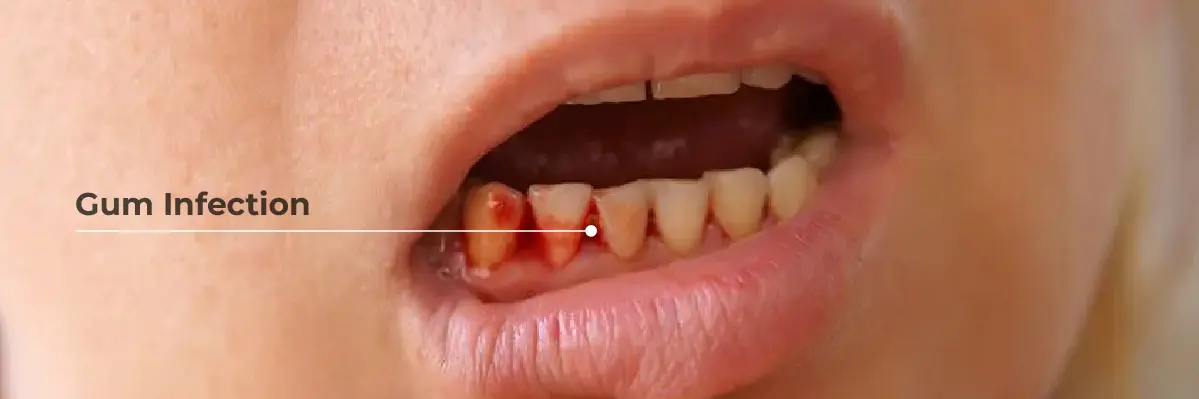
Healthy gums help hold teeth firmly in place. When plaque builds up along the gum line, bacteria can irritate the gum tissue and lead to infection.
Inflamed gums may become swollen, tender, and more sensitive. This pressure around the tooth can also cause tooth pain.
Signs of gum infection include:
- Bleeding while brushing or flossing
- Swollen or tender gums
- Persistent bad breath
- Pain near the roots of teeth
Early treatment of gum problems helps protect both the gums and the teeth.
Dental Infection (Tooth Abscess)
In some cases, bacteria reach the inner part of the tooth where nerves and blood vessels are located. This can lead to an infection known as a dental abscess.
A tooth abscess often causes severe throbbing pain and requires immediate dental treatment.
Common symptoms include:
- Swelling in the gums or face
- Sharp pain when biting
- Sensitivity to hot or cold food
- Bad taste in the mouth
Dental infections should never be ignored because they can worsen quickly if untreated.
Cracked Tooth
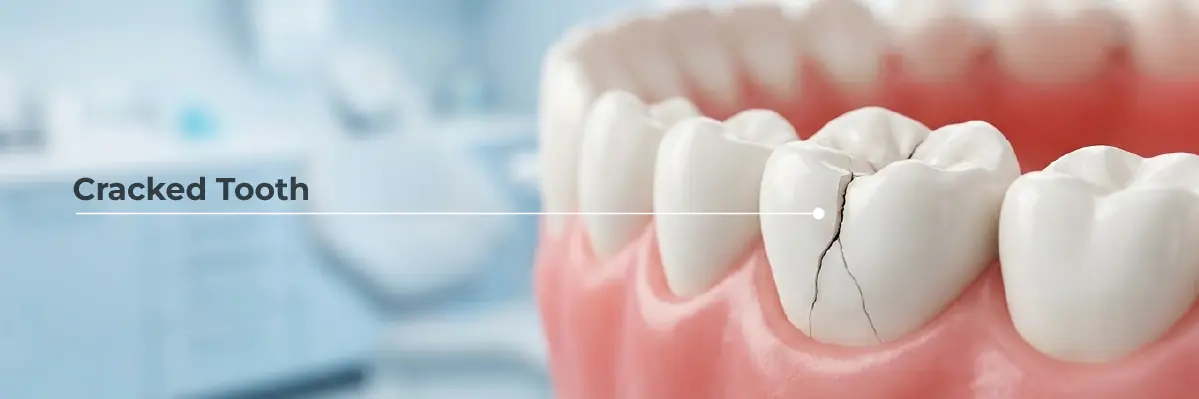
A cracked tooth can also lead to sudden tooth pain. Even a very small crack may expose the inner layers of the tooth and irritate the nerves.
Cracks may occur due to:
- Chewing hard foods
- Accidental injury
- Teeth grinding during sleep
- Weak or worn enamel
Many cracks are difficult to see with the naked eye and are usually detected during a dental examination.
Tooth Sensitivity
Tooth sensitivity is another common cause of discomfort. Enamel normally protects the inner layer of the tooth. When enamel wears down, the inner layer becomes exposed.
This exposure can cause pain when consuming hot, cold, or sweet foods.
Sensitivity may occur due to:
- Aggressive brushing
- Gum recession
- Worn enamel
- Frequent consumption of acidic foods
A dentist can help identify the cause of sensitivity and recommend appropriate treatment.
Home Remedies for Tooth Pain
Home remedies cannot treat dental problems permanently, but they may provide temporary relief until you can see a dentist.
Salt Water Rinse
A saltwater rinse is one of the simplest remedies for tooth pain. Salt helps clean the mouth and reduce bacteria.
Mix half a teaspoon of salt in a glass of warm water and rinse your mouth for about 30 seconds before spitting it out.
This may help reduce irritation and swelling in the gums.
Cold Compress
A cold compress can help numb the painful area and reduce swelling.
Wrap a few ice cubes in a clean cloth and place it on the cheek near the painful tooth for 10–15 minutes.
Cold temperature can help reduce inflammation and provide temporary pain relief.
Clove Oil
Clove oil has long been used as a natural remedy for tooth pain. It contains a compound that can temporarily numb the area.
Apply a small amount of clove oil on a cotton swab and gently place it on the affected tooth.
This may provide short-term relief from discomfort.
Garlic
Garlic has natural antibacterial properties. Some people crush a garlic clove and place it near the painful tooth.
Garlic may help reduce bacteria in the mouth, although the effect is usually temporary.
Hydrogen Peroxide Rinse
A diluted hydrogen peroxide rinse may help clean the mouth and reduce bacteria.
Mix equal parts hydrogen peroxide and water, rinse gently, and spit it out. Do not swallow the solution.
This rinse may help reduce gum irritation.
When to Visit a Dentist

Home remedies can ease symptoms temporarily, but they do not fix cavities, infections, or cracked teeth.
You should visit a dentist if you experience:
- Tooth pain lasting more than two days
- Swelling in the gums or face
- Severe pain while chewing
- Fever or signs of infection
Early dental treatment helps prevent complications and protects long-term oral health.
At Cosmodontist Dental Clinic, the dental team carefully examines the cause of tooth pain and recommends the right treatment to restore comfort and oral health.
FAQs
How can I stop tooth pain quickly?
You may temporarily reduce tooth pain by rinsing your mouth with warm saltwater, applying a cold compress to the cheek, or using clove oil on the affected tooth. These methods may provide short-term relief until you visit a dentist.
What drink helps toothache?
Warm saltwater rinses may help soothe irritated gums and reduce bacteria in the mouth. Herbal teas such as chamomile may also feel calming. It is best to avoid very hot, cold, or sugary drinks when experiencing tooth pain.
How to treat a tooth infection at home?
Home remedies may help reduce discomfort, but they cannot cure a dental infection. Saltwater rinses and proper oral hygiene may help temporarily, but a dentist must treat the infection to prevent complications.
What is the strongest pain relief for toothache?
Cold compresses, clove oil, or over-the-counter pain medication may help reduce pain temporarily. However, the most effective solution is professional dental treatment that addresses the root cause of the Toothache.