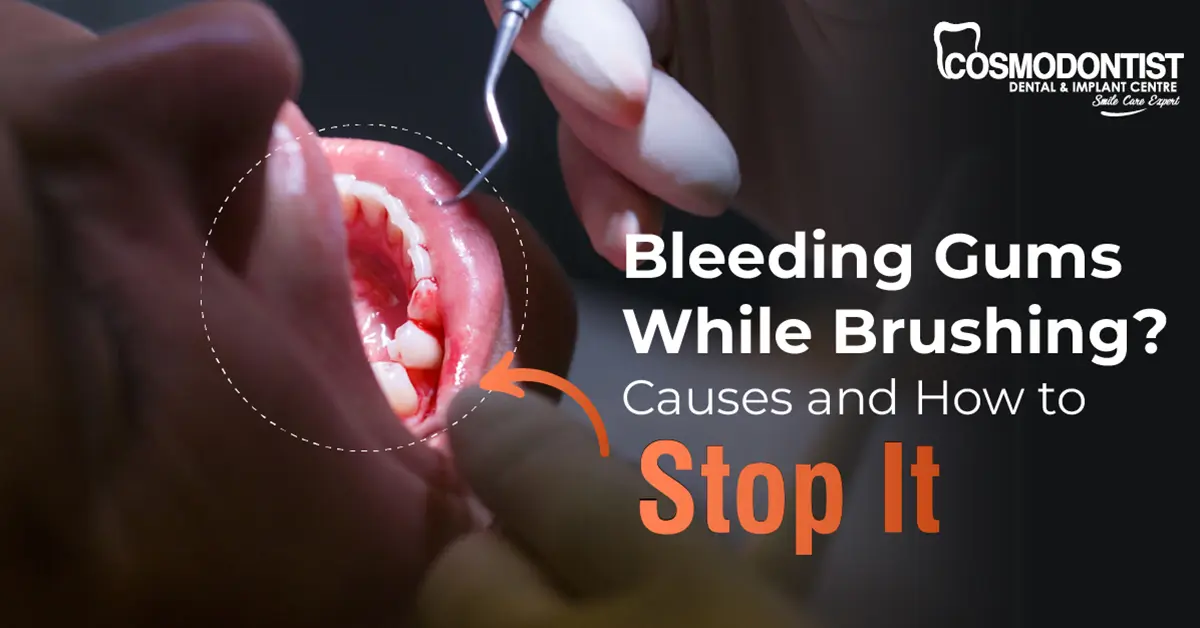
You brush your teeth every morning, but one day, you notice blood mixed with toothpaste in the sink. You check your gums, rinse your mouth, and carry on. The next morning, it happens again. At first, you might blame your toothbrush or think you brushed too hard. But when the bleeding keeps coming back you begin to wonder what is wrong. Bleeding gums can be caused by swollen gums, plaque or little injuries. Sometimes there's an underlying health problem. "Less important than stopping the blood for now is finding the real reason.
Bleeding Gums While Brushing? Causes and How to Stop It With Home Care, Better Brushing, and Gum Treatment
When people search for how to stop bleeding gums, they often want something that works immediately. But the answer depends on why the bleeding started.
If you’ve been brushing hard, you might want to change your technique. If plaque has caused gingivitis, you'll need better daily cleaning and possibly professional treatment.
Try these changes:
- Pick a soft-bristled toothbrush instead of a hard one.
- Brush gently along the gumline without scrubbing.
- Spend two minutes brushing every morning and night.
- Use dental floss or interdental brushes daily.
- Replace your toothbrush when the bristles become worn.
Don't completely avoid a bleeding area while brushing. Gentle cleaning helps remove the plaque that may be irritating your gums.
Why Do My Gums Bleed When I Brush My Teeth?

Your gums shouldn't bleed regularly when you brush. Here are some reasons it happens.
Plaque and Gingivitis
When plaque stays around your teeth, bacteria irritate your gums. They may become red, swollen, or tender. Dentists call this early gum disease gingivitis.
Brushing Too Hard
Hard brushing doesn't make teeth cleaner. Especially if your toothbrush has stiff bristles, it can scratch your gums and cause bleeding.
Skipping Flossing
Food and plaque collect between teeth. Without regular cleaning, the gums around these spaces can become inflamed.
Health Problems and Medicines
Diabetes, pregnancy-related hormonal changes, certain vitamin deficiencies, and blood-thinning medicines can sometimes contribute to gum bleeding.
How to Stop Gum Bleeding Immediately

If your gums suddenly start bleeding, rinse gently with water to see where the blood is coming from.
Use a clean, damp piece of gauze and place it on the bleeding area for a few minutes. Avoid rubbing or repeatedly checking the area.
You can place a wrapped cold pack against your cheek if you also notice swelling.
These steps may help with minor bleeding. They won't cure gum disease. Seek urgent care if bleeding is heavy or doesn't stop.
How to Stop Bleeding Gums Naturally at Home
A few simple habits can help your gums recover when mild inflammation causes the problem.
Try a Warm Saltwater Rinse
Add half a teaspoon of salt to a glass of warm water. Rinse gently and spit it out. Saltwater may soothe irritation, but it cannot remove tartar.
Eat Foods That Support Gum Health
Include oranges, guavas, vegetables, and other nutritious foods in your meals. Vitamin C helps maintain healthy gum tissue.
Keep Cleaning Between Your Teeth
Don't quit flossing after seeing a little blood. Use gentle movements and avoid snapping the floss into your gums.
Stay Away From Tobacco
Smoking increases the risk of gum disease and makes healing harder. Quitting can help protect your teeth and gums.
When Should You Consider Professional Bleeding Gums Treatment?
If bleeding continues despite better brushing, book a dental appointment.
Your dentist will look for swollen gums, tartar, deep gum pockets, and other signs of disease.
Depending on the findings, treatment may involve:
- Professional cleaning: Removes plaque and tartar that brushing cannot remove.
- Gum treatment: Helps manage gum inflammation and periodontal disease.
- Laser dentistry: May assist with certain gum procedures when appropriate.
- Scaling and root planing: Removes deposits beneath the gumline in patients who need deeper cleaning.
If you're considering cosmetic dentistry, dental veneers, instant teeth whitening, teeth straightening Invisalign, or dental crowns and bridges, your dentist should check your gum health first.
How to Prevent Bleeding Gums From Coming Back
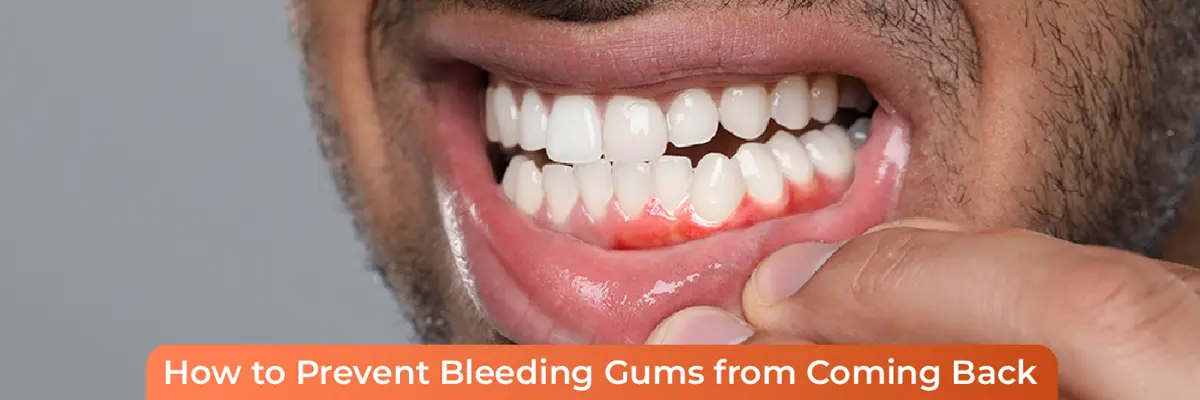
Bleeding gums often improve when you remove plaque every day and address existing inflammation.
And keep that toothbrush clean. Floss gently and see your dentist for regular checkups. Don't ignore bad breath, receding gums, or teeth that feel loose.
At Cosmodontist Dental Clinic, patients can talk about the treatment of bleeding gums and options for treating gums. A dentist can examine the area and recommend care based on the cause.
Frequently Asked Questions
1. Can bleeding gums from brushing be reversed with home care?
Mild gingivitis often improves with consistent brushing and flossing. More serious gum disease needs professional treatment.
2. Are there toothpastes or mouthwashes that reduce bleeding gums?
Certain antibacterial products can help manage gingivitis, but they cannot replace brushing, flossing, or dental cleaning.
3. How should I change my brushing technique to stop gum bleeding?
Use a soft toothbrush, light pressure, and gentle movements around your gumline.
4. Could medications or medical conditions cause bleeding gums?
Yes. Blood thinners, diabetes, pregnancy, and some vitamin deficiencies can contribute to bleeding.
5. My gums bleed while brushing. What's causing it, and what should I do?
Plaque, gingivitis, or hard brushing may cause bleeding. Improve your cleaning habits and consult a dentist if it continues.