Keeping your teeth healthy is mostly about what you do every day. You do not need a long list of products or a complicated routine. Brushing properly, cleaning between your teeth, drinking enough water, and paying attention to changes in your mouth can make a big difference.
Many dental problems start out quietly. A little sensitivity, bleeding when brushing, an odd tongue bump or a dark looking tooth may not seem serious initially. But these signs shouldn’t be dismissed when they keep recurring. Going to the dentist regularly can spot problems early and prevent you needing more complex treatment later.
Simple Oral Care Tips for Healthy Teeth That You Can Follow Every Day
Good oral care works best when it becomes part of your daily routine. These habits are easy to follow and useful for children, adults, and older people.
Learn How to Brush Teeth Properly
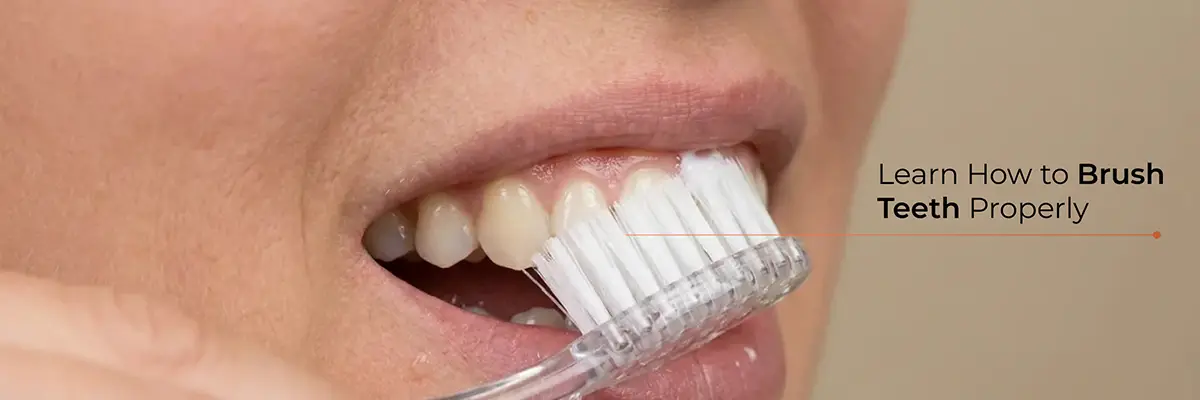
A lot of people brush twice a day but still miss important areas. Knowing how to brush teeth properly matters just as much as brushing regularly.
Use a soft toothbrush and toothpaste with fluoride . Brush for about two minutes, cleaning the front, back and chewing surface of each tooth. Do not scrub too hard near the gums. Gentle circular movements usually work better and are kinder to the enamel and gumline.
The back teeth often collect more food because they have deeper grooves, so spend a little extra time there.
Clean the Spaces Between Your Teeth
A toothbrush cannot clean every tight space. Food and plaque can stay between teeth even after brushing.
Floss daily, or an interdental brush if you have larger spaces between your teeth. This is even more important when you notice itchy gums, bleeding, swelling or tenderness.
If gum problems continue, a dentist may suggest professional cleaning or Gum Treatment depending on the condition of your gums.
Keep Your Tongue Clean Too
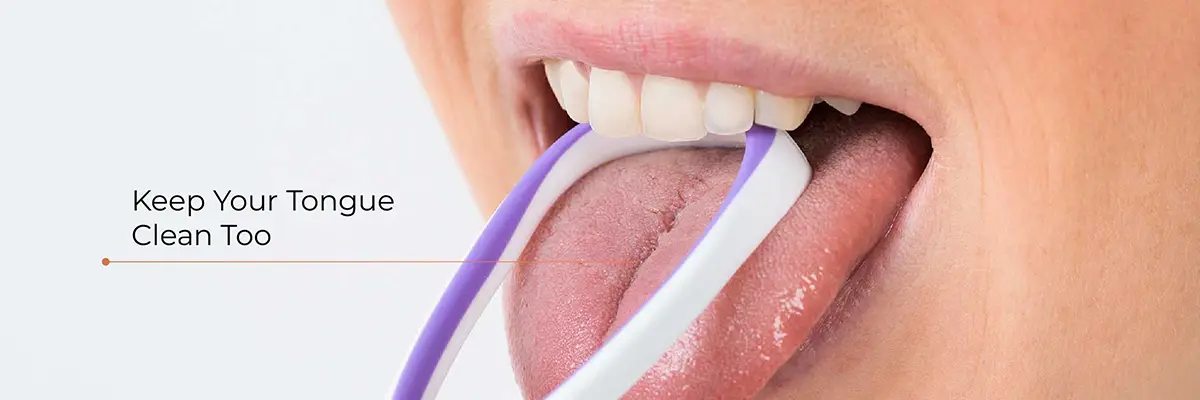
Your tongue can hold food particles and bacteria. One of the useful benefits of tongue scraping is that it can help remove this coating and keep the mouth feeling cleaner.
Use a scraper gently. There is no need to press hard.
People also commonly notice a pimple on tongue, bumps on back of tongue, or a white bump on side of tongue. Some bumps are harmless and disappear on their own. However, if a bump stays for more than two weeks, becomes painful, grows, or keeps returning, it is better to get it checked.
Do Not Ignore Early Changes in Your Teeth and Gums
A small dental problem can become a bigger one when left untreated.
A dead tooth may change colour, become sensitive, or develop after injury or infection. Sometimes there may be little or no pain at all.
People may also notice what looks like a hole in gums. This can have more than one cause, so it should be examined instead of treated with home remedies.
The same applies to cavities. Knowing about the stages of tooth decay helps explain why early treatment is important. Decay tends to start on the outer surface of the enamel. If it moves deeper into the tooth, sensitivity and pain may begin. Once the inner pulp becomes infected, Painless Root Canal Treatment may be needed to save the tooth.
A weak or badly damaged tooth may later need Dental Crown & Bridges treatment for support and normal chewing.
Be Careful When Choosing Whitening Products

Many people use teeth whitening toothpaste to make their teeth look cleaner. It can help remove some stains from tea, coffee, and food, but it does not change the natural shade of the tooth as much as professional whitening.
If you’re looking for a brighter smile, then Instant Teeth Whitening might be the solution after your dental exam. It is best to check for cavities, sensitivity or gum problems before beginning any whitening treatment.
Pay Attention to Your Tongue and Saliva
Some oral concerns are not directly related to cavities.
Tongue tie in adults can limit tongue movement. In some people, it may affect speech, eating, swallowing, or cleaning certain parts of the mouth.
Another common concern is why is my mouth producing so much saliva suddenly. Extra saliva can happen because of mouth irritation, nausea, certain foods, dental problems, or other reasons. If it continues for several days or comes with trouble swallowing, speak with a dentist or doctor.
Small Daily Habits That Help Your Teeth
A few simple changes can protect your teeth for the long term:
- Brush twice a day.
- Floss once a day.
- Drink water often.
- Cut down on sugary snacks.
- Avoid frequent soft drinks.
- Do not bite ice or very hard foods.
- Avoid tobacco.
- Get tooth pain checked early.
- Do not delay treatment for bleeding gums.
- Visit your dentist for routine check-ups.
People who want to improve the look of their smile can also inquire about Cosmetic Dentistry, Smile Designing, Dental Veneers, Tooth Colored Fillings and Teeth Straightening.
Other treatments available for specific dental problems may include Surgical Extraction and Laser Dentistry.
When Should You Book a Dental Check-Up?
You should book a dental visit when pain, swelling, bleeding, sensitivity, bad breath, loose teeth, broken teeth, or unusual mouth sores continue.
You should also get checked if a tongue bump, gum opening, or dark tooth does not look normal to you.
Regular dental care is useful even when nothing hurts. A dentist can often see early signs of decay or gum problems before you notice them yourself.
Healthy teeth come from simple habits done regularly. Brush well, clean between the teeth, look after your gums and tongue, and do not wait too long when something feels different.
For routine dental care and concerns related to teeth, gums, tongue, and smile appearance, patients can consult Cosmodontist Dental Clinic.
Frequently Asked Questions
How often should I brush my teeth?
Brush twice a day for around two minutes each time.
Is tongue scraping necessary?
It is not compulsory, but it can help remove tongue coating and food buildup.
Can itchy gums mean gum disease?
Sometimes. Plaque, irritation, or early gum inflammation may cause itchy gums.
Does whitening toothpaste really work?
It may remove surface stains, but it cannot give the same result as professional whitening.
When should a tongue bump be checked?
See a dentist if it lasts more than two weeks, becomes painful, or keeps returning.