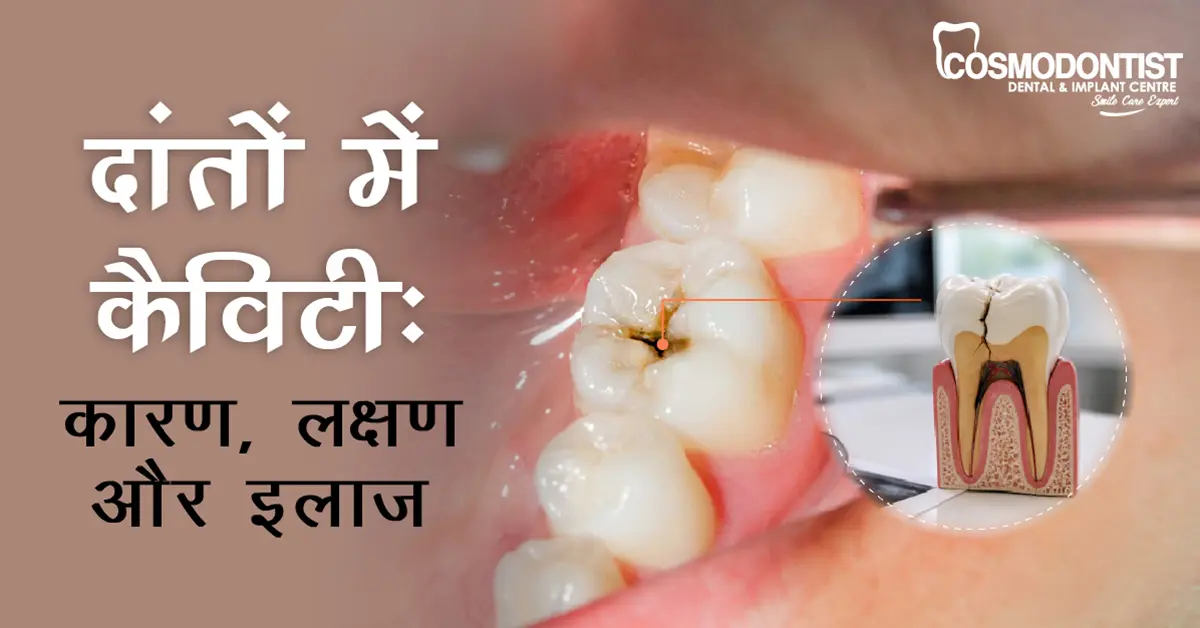
कभी ठंडा पानी पीते ही दांत में झनझनाहट होती है, तो कभी खाना चबाते समय हल्का दर्द महसूस होता है। कई लोग इसे मामूली परेशानी समझकर छोड़ देते हैं। लेकिन यही परेशानी दांतों में कैविटी का संकेत भी हो सकती है। शुरुआत में कैविटी इतनी छोटी होती है कि कई बार आंखों से दिखाई भी नहीं देती। धीरे-धीरे यह दांत को अंदर से नुकसान पहुंचाने लगती है।
दांतों में कैविटी: कारण, लक्षण, और इलाज के बारे में जानना जरूरी है, क्योंकि समय पर इलाज कराने से दांत को बचाया जा सकता है। आइए समझते हैं कि कैविटी कैसे बनती है, इसे कैसे पहचानें और इससे छुटकारा पाने के लिए क्या करना चाहिए।
कैविटी क्या होता है और दांतों में कैविटी कैसे बनती है?
बहुत से लोग इंटरनेट पर cavity kya hota hai सर्च करते हैं। आसान भाषा में समझें तो कैविटी का मतलब दांत में सड़न या छेद होना है।
हमारे मुंह में कई तरह के बैक्टीरिया रहते हैं। जब हम मीठी चीजें खाते हैं, तो कुछ बैक्टीरिया उनसे एसिड बनाते हैं। यह एसिड दांत की ऊपरी मजबूत परत को धीरे-धीरे कमजोर करता है।
अगर लंबे समय तक ऐसा होता रहे, तो दांत में छेद बनने लगता है। इसी को dental cavity या दंत क्षय कहते हैं।
दांत सड़ने का क्या कारण है?
रोज ब्रश करने वाले लोगों को भी कैविटी हो सकती है। इसकी वजह सिर्फ मिठाई खाना नहीं है। हमारी कुछ रोजमर्रा की आदतें भी दांत खराब कर सकती हैं।
- बार-बार मीठा खाना: चॉकलेट, टॉफी, बिस्कुट और मीठे पेय बार-बार लेने से दांतों पर एसिड का असर बढ़ता है।
- सही तरीके से ब्रश न करना: जल्दी-जल्दी ब्रश करने से दांतों के बीच और पीछे की सफाई अधूरी रह सकती है।
- रात में बिना ब्रश किए सोना: दिनभर का प्लाक दांतों पर रह जाता है और सड़न का खतरा बढ़ता है।
- मुंह सूखना: लार दांतों को एसिड से बचाने में मदद करती है। लार कम बनने पर कैविटी का खतरा बढ़ सकता है।
- दांतों के बीच खाना फंसना: अगर इन जगहों की सफाई नहीं होती, तो वहां प्लाक जमा होने लगता है।
दांतों में कैविटी के लक्षण क्या हैं?

शुरुआत में कैविटी होने पर दर्द होना जरूरी नहीं है। इसलिए कई लोगों को इसका पता देर से चलता है।
कुछ सामान्य लक्षण हैं:
- ठंडा या गर्म खाने पर दांतों में झनझनाहट।
- दांत पर सफेद, भूरे या काले निशान।
- खाना चबाते समय किसी एक दांत में दर्द।
- दांत में छोटा छेद दिखाई देना।
- दांतों के बीच बार-बार खाना फंसना।
- सड़न बढ़ने पर बिना कुछ खाए भी दर्द होना।
इनमें से कोई परेशानी बार-बार हो रही है, तो डेंटिस्ट से दांतों की जांच करवाएं।
दांत का कीड़ा कैसा दिखता है? क्या सच में कीड़ा लगता है?
गांवों और शहरों में आज भी कई लोग कैविटी को दांत का कीड़ा या teeth kida कहते हैं।
असल में दांत के अंदर कोई कीड़ा नहीं होता। मुंह के बैक्टीरिया से बनने वाला एसिड दांत की परत को खराब करता है। इससे दांत पर काले निशान या छेद दिखाई दे सकते हैं।
इसलिए दांत से कीड़ा निकालने वाले घरेलू नुस्खे अपनाने के बजाय सही इलाज करवाना चाहिए।
दांतों की कैविटी का इलाज कैसे होता है?
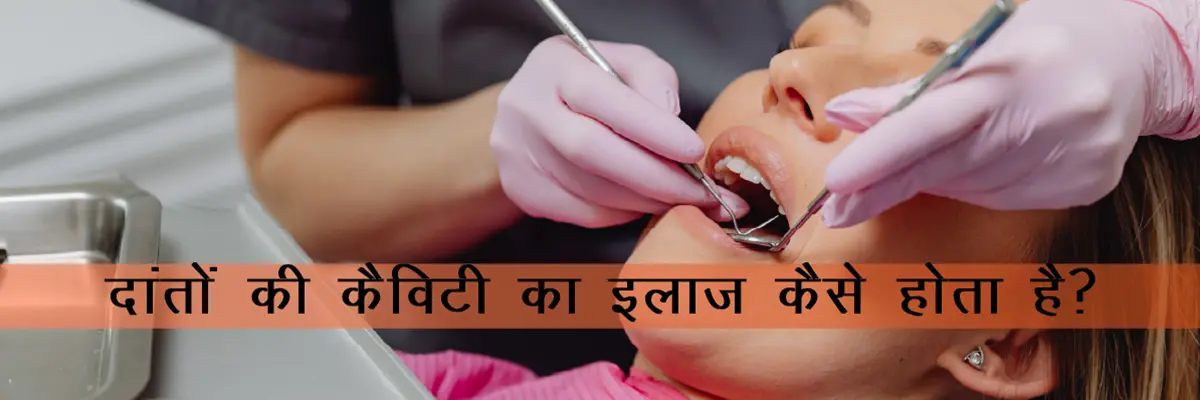
दांतों की कैविटी का इलाज सड़न की गहराई पर निर्भर करता है। डेंटिस्ट पहले दांत की जांच करते हैं और जरूरत पड़ने पर एक्स-रे करवाते हैं।
- फ्लोराइड ट्रीटमेंट
अगर दांत की ऊपरी परत में शुरुआती सड़न है और छेद नहीं बना है, तो फ्लोराइड से उसे ठीक करने में मदद मिल सकती है।
- डेंटल फिलिंग
Dant me ched ka ilaj करने के लिए फिलिंग एक सामान्य तरीका है। डेंटिस्ट सड़े हुए हिस्से को साफ करके उसमें फिलिंग मटेरियल भरते हैं।
- रूट कैनाल ट्रीटमेंट
जब सड़न दांत की नस तक पहुंच जाती है और संक्रमण पैदा करती है, तो रूट कैनाल की जरूरत पड़ सकती है। इससे कई मामलों में दांत निकालने से बचा जा सकता है।
- डेंटल क्राउन
अगर दांत का बड़ा हिस्सा कमजोर हो गया है, तो उसे सहारा देने के लिए क्राउन लगाया जा सकता है।
- दांत निकालना
जब दांत बहुत ज्यादा खराब हो जाए और उसे बचाना संभव न हो, तो डेंटिस्ट दांत निकालने की सलाह दे सकते हैं।
कैविटी कैसे खत्म करें? घर पर क्या करें?
कई लोग teeth ki cavity kaise hataye या danto se cavity kaise hataye खोजते हैं।
ध्यान रखें, दांत में एक बार छेद बन जाने पर वह घरेलू उपायों से नहीं भरता। लेकिन कुछ आदतों से आगे की सड़न का खतरा कम किया जा सकता है।
- दिन में दो बार फ्लोराइड टूथपेस्ट से ब्रश करें।
- दांतों के बीच रोज फ्लॉस करें।
- मीठी चीजें बार-बार खाने से बचें।
- खाने के बाद पानी से कुल्ला करें।
- हर छह महीने में या डेंटिस्ट की सलाह के अनुसार जांच करवाएं।
बच्चों में दांतों की कैविटी से कैसे बचें?

बच्चों के दूध के दांतों में भी कैविटी हो सकती है। रात में दूध या मीठे पेय की बोतल लेकर सोने से इसका खतरा बढ़ता है।
बच्चों को सही तरीके से ब्रश करना सिखाएं। उनकी उम्र के अनुसार फ्लोराइड टूथपेस्ट की सही मात्रा इस्तेमाल करें। जरूरत पड़ने पर डेंटिस्ट से फ्लोराइड वार्निश और डेंटल सीलेंट के बारे में पूछें।
दांत खराब होने से पहले जांच क्यों जरूरी है?
दांत में छोटा छेद समय के साथ गहरा हो सकता है। इलाज में देरी करने से दर्द, सूजन और संक्रमण बढ़ सकता है।
Cosmodontist Dental Clinic में दांतों की जांच करवाकर कैविटी की स्थिति और इलाज के विकल्पों के बारे में सलाह ले सकते हैं। समय पर जांच से यह पता चल सकता है कि दांत को फिलिंग की जरूरत है या किसी दूसरे इलाज की।
दांतों में कैविटी से जुड़े 5 सवाल (FAQs)
1. दांतों की कैविटी क्यों होती है और इसे कैसे पहचानें?
बैक्टीरिया से बनने वाला एसिड दांतों को नुकसान पहुंचाता है। दर्द, झनझनाहट और छेद इसके संकेत हो सकते हैं।
2. दांतों में गड्ढे होने पर कौन सा इलाज करवाना चाहिए?
छोटे छेद में फिलिंग की जाती है। सड़न नस तक पहुंचने पर रूट कैनाल की जरूरत पड़ सकती है।
3. कैविटी होने पर घर पर क्या उपाय कर सकते हैं?
फ्लोराइड टूथपेस्ट से ब्रश करें, फ्लॉस करें और मीठा कम खाएं। बने हुए छेद के लिए डेंटिस्ट से इलाज करवाएं।
4. क्या हर कैविटी के लिए फिलिंग जरूरी होती है?
नहीं। बिना छेद वाली शुरुआती सड़न फ्लोराइड से ठीक हो सकती है। छेद बनने पर आमतौर पर फिलिंग करनी पड़ती है।
5. कैविटी का इलाज न करवाने पर क्या हो सकता है?
सड़न बढ़ने पर तेज दर्द, दांत में संक्रमण, मसूड़ों में सूजन और दांत खराब होने की परेशानी हो सकती है।
Cavities in Teeth: Causes, Symptoms, and Treatment
Sometimes, drinking cold water causes tooth sensitivity, while other times, you may feel mild pain when chewing food. Many people ignore these problems, thinking they are nothing serious. However, these symptoms can also be early signs of cavities in teeth. In the beginning, a cavity may be so small that you cannot even see it with your eyes. Over time, it can start damaging the tooth from the inside.
Understanding cavities in teeth: causes, symptoms, and treatment is important because getting treatment at the right time can help save your teeth. Let's understand how cavities develop, how to recognize them, and what you can do to get rid of them.
Cavities in Teeth: Causes, Symptoms, and Treatment Explained with Common Reasons for Tooth Decay
Many people search online for "what is a cavity?" In simple words, a cavity means tooth decay or a hole in the tooth.
Our mouths contain different types of bacteria. When we eat sugary foods, some bacteria produce acid from the sugar. This acid slowly weakens the hard outer layer of the tooth.
If this continues for a long time, a small hole begins to form in the tooth. This is called a dental cavity or tooth decay.
What Causes Tooth Decay?
Even people who brush their teeth every day can develop cavities. Eating sweets is not the only reason. Some of our everyday habits can also damage our teeth.
- Eating sugary foods frequently: Eating chocolates, candies, biscuits, and drinking sugary beverages too often increases the effect of acid on teeth.
- Not brushing properly: Brushing too quickly may leave food particles and plaque between the teeth and around the back teeth.
- Sleeping without brushing: Plaque stays on the teeth overnight, increasing the risk of tooth decay.
- Dry mouth: Saliva helps protect teeth from acids. When the mouth does not produce enough saliva, the risk of cavities can increase.
- Food getting stuck between teeth: If these areas are not cleaned properly, plaque starts building up, which can lead to cavities.
What Are the Symptoms of Cavities in Teeth?

A cavity does not always cause pain in its early stages. This is why many people discover the problem only after the decay has progressed.
Some common symptoms include:
- Tooth sensitivity when eating or drinking something hot or cold.
- White, brown, or black spots on the teeth.
- Pain in a particular tooth while chewing food.
- A small visible hole in the tooth.
- Food frequently getting stuck between teeth.
- Tooth pain even when you are not eating anything, especially when the decay becomes deeper.
If you experience any of these problems repeatedly, visit a dentist for a dental examination.
What Does a Tooth Worm Look Like? Are There Really Worms in Teeth?
Even today, many people in villages and cities refer to cavities as tooth worms.
In reality, there are no actual worms inside the teeth. Acid produced by bacteria in the mouth damages the tooth's outer layer. As a result, black spots or holes may appear on the teeth.
Instead of trying home remedies that claim to remove worms from teeth, you should visit a dentist for proper treatment.
How Are Dental Cavities Treated?
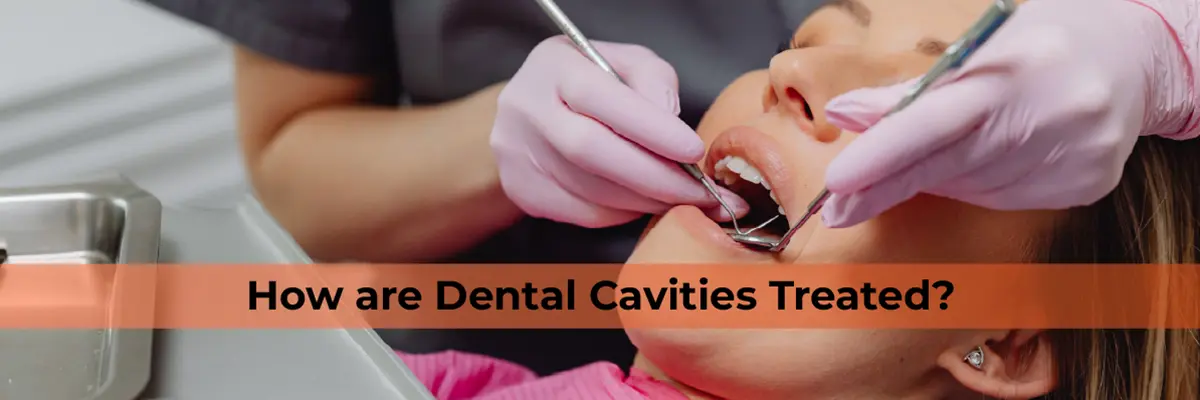
The treatment for dental cavities depends on how deeply the decay has affected the tooth. A dentist first examines the tooth and may recommend an X-ray if needed.
- Fluoride Treatment
If the outer layer of the tooth has early signs of decay but no hole has formed, fluoride treatment may help repair the weakened enamel and stop the decay from progressing. - Dental Filling
A dental filling is a common treatment for a hole in the tooth. The dentist removes the decayed portion and fills the space with a suitable dental filling material. - Root Canal Treatment
When tooth decay reaches the inner tissue of the tooth and causes infection, root canal treatment may become necessary. In many cases, this treatment can help save the tooth from extraction. - Dental Crown
If a large portion of the tooth has become weak or damaged, a dentist may recommend placing a dental crown to protect and support it. - Tooth Extraction
When a tooth becomes severely damaged and cannot be saved, the dentist may recommend removing it.
How to Get Rid of Cavities? What Can You Do at Home?
Many people search online for ways to remove cavities from teeth or how to treat tooth decay at home.
Remember, once a hole forms in a tooth, home remedies cannot fill it. However, a few healthy habits can help reduce the risk of further tooth decay.
- Brush your teeth twice a day using fluoride toothpaste.
- Floss daily to clean between your teeth.
- Avoid eating sugary foods too frequently.
- Rinse your mouth with water after meals.
- Visit your dentist every six months or as recommended for regular dental checkups.
How Can You Prevent Cavities in Children's Teeth?
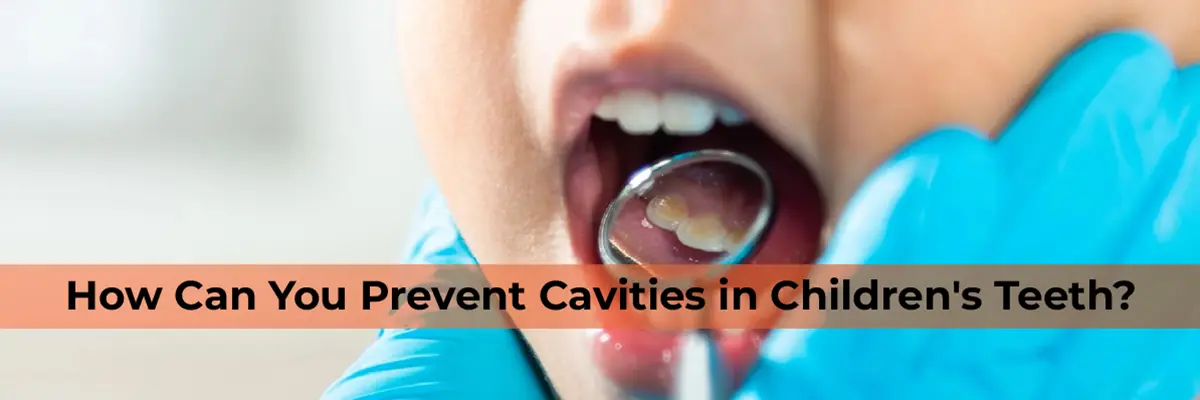
Cavities can also develop in children's baby teeth. Sleeping with a bottle of milk or sugary drinks can increase the risk of tooth decay.
Teach children how to brush their teeth properly. Make sure they use the right amount of fluoride toothpaste according to their age. If needed, ask a dentist about fluoride varnish and dental sealants.
Why Is a Dental Checkup Important Before Tooth Decay Gets Worse?
A small hole in the tooth can become deeper over time. Delaying treatment may increase pain, swelling, and the risk of infection.
At Cosmodontist Dental Clinic, you can get your teeth examined and discuss suitable treatment options for dental cavities. A timely dental examination can help determine whether your tooth needs a filling or another type of treatment.
Frequently Asked Questions (FAQs)
1. What causes cavities in teeth, and how can you recognize them?
Acids produced by bacteria damage the teeth. Tooth pain, sensitivity, and visible holes are some common signs of cavities.
2. What treatment is recommended for holes in teeth?
Dentists usually treat small cavities with dental fillings. If the decay reaches the inner tissue and causes infection, root canal treatment may be necessary.
3. What home remedies can help with cavities?
Brush with fluoride toothpaste, floss regularly, and reduce sugary foods. However, visit a dentist to treat an existing hole in your tooth.
4. Does every cavity require a dental filling?
No. Early tooth decay without a hole may improve with fluoride treatment. Once a hole forms, a dental filling is usually necessary.
5. What happens if you leave a cavity untreated?
Untreated cavities can lead to severe tooth pain, infection, swollen gums, and serious tooth damage.